
Need Blue Art Tours Help?
Mailing List
Sign up for our mailing list to get latest updates and offers.
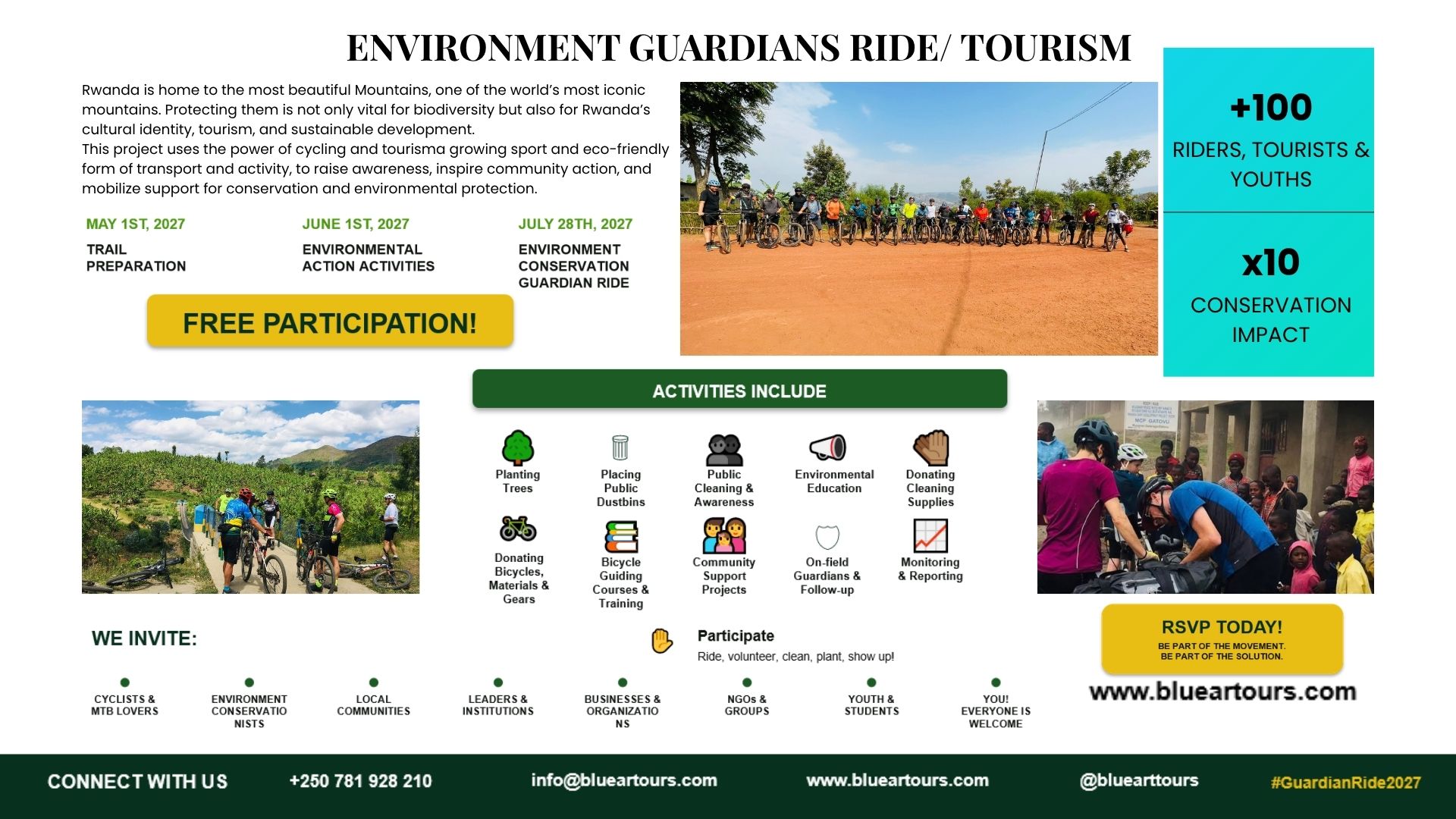
Join us in protecting Rwanda's MTB trails. We ride on world Nature Conservation Day celebrated every year on July 28th to raise awareness about protecting Earth's natural resources and promoting sustainable habits. Sign up for our next conservation ride and help preserve the trails you love to explore.
Environment Conservation Guardian Ride — July 28th, 2027. Be part of history from day one.
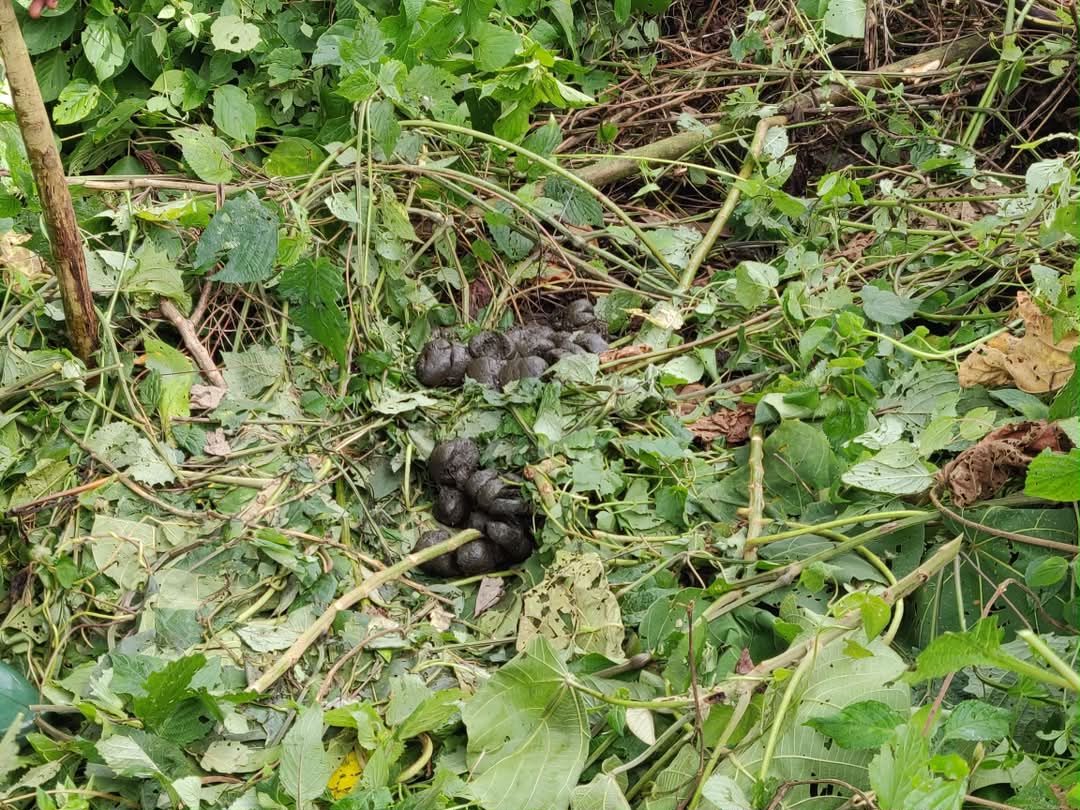
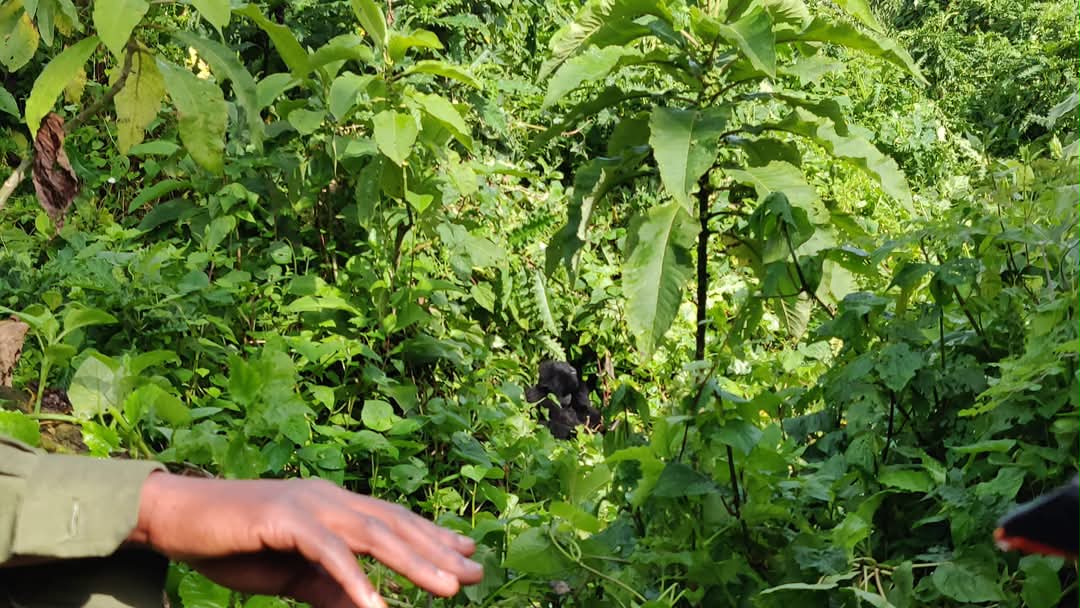
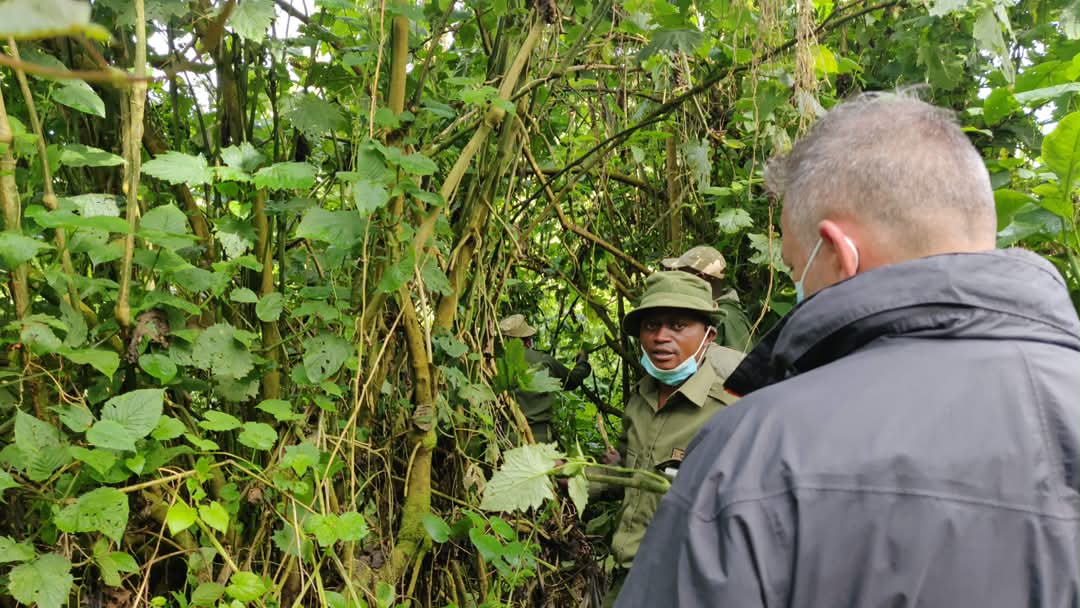
By Blue Art Tours | Kigali, Rwanda | www.blueartours.com
There are roughly 900 mountain gorillas left on Earth. You can meet them. That fact alone should tell you everything about how extraordinary this experience is.
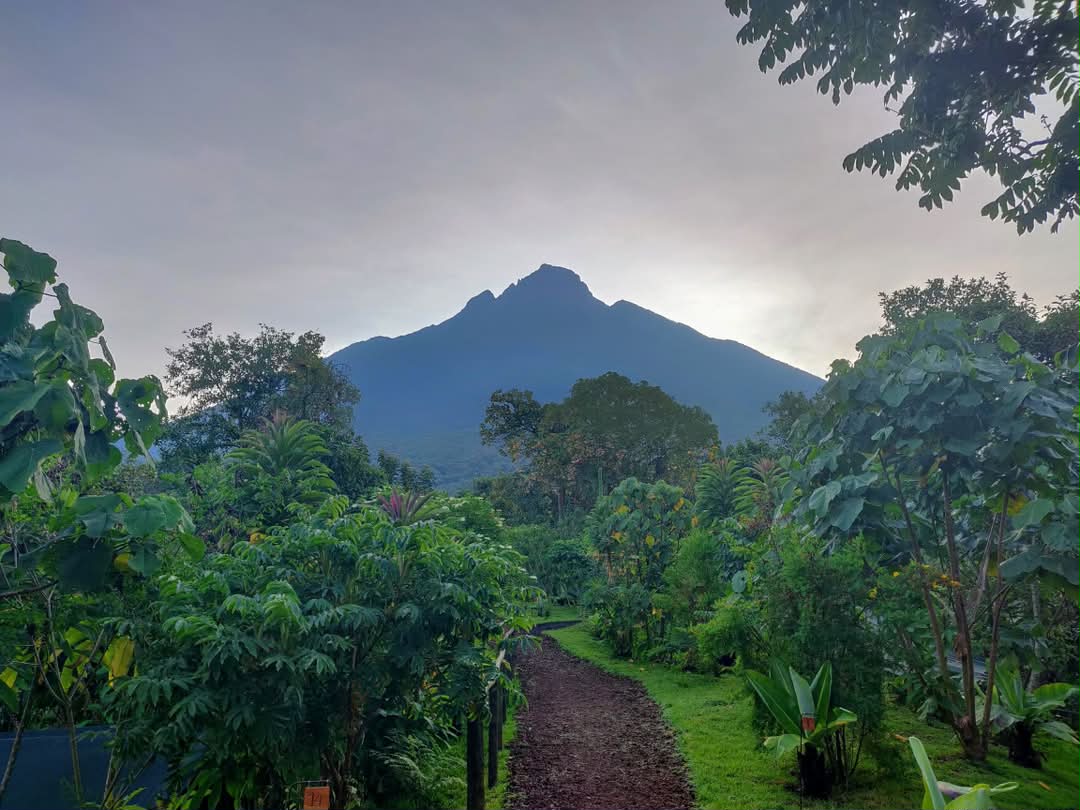
Standing in a misty volcanic forest, watching a silverback gorilla quietly pull apart a bunch of wild celery while his family tumbles around him it is one of those rare travel moments that genuinely changes you. Not in a clichéd way. In a quiet, cellular way that stays with you for the rest of your life.
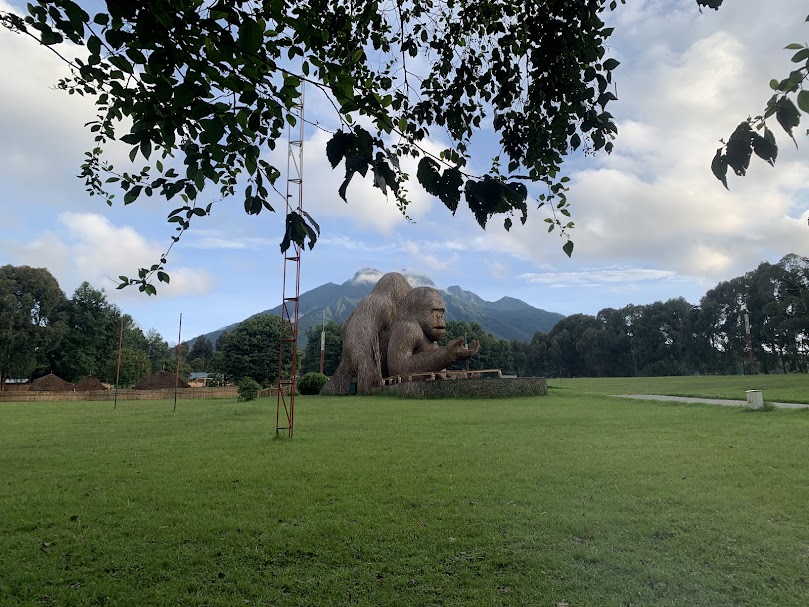
East Africa is the only place on Earth where you can see mountain gorillas in the wild. Two countries offer this experience: Rwanda, with its pristine, efficient trekking infrastructure in Volcanoes National Park, and Uganda, with its wilder, more affordable adventure through Bwindi Impenetrable Forest. Both are extraordinary. Both are different. This guide will help you understand which is right for you or help you plan both.
At Blue Art Tours, we have guided cyclists, hikers, and explorers through these landscapes for years. We know the mud, the magic, and everything in between. Here is what we want every traveler to know before they go.
RWANDA VS UGANDA: WHICH SHOULD YOU CHOOSE?
Both countries share the same Virunga mountain ecosystem and the same magnificent animals. But the experience, cost, and logistics are quite different. Here is the honest comparison every traveler needs.
RWANDA: VOLCANOES NATIONAL PARK
Location: Northwestern Rwanda, Musanze / Kinigi
- Permit price (international): $1,500 peak season / $1,050 low season (2026)
- East African Community citizens: $200
- Other African citizens and residents: $500
- Drive from Kigali: ~2 to 2.5 hours
- Trek duration: 2 to 8 hours (average 3–5 hours)
- Habituated gorilla families: 12
- Daily permits available: 96–112 per day
- Terrain: Steep volcanic slopes, bamboo forest
- Vibe: Luxury, efficient, premium
- Best for: First-timers, comfort seekers, travelers on tighter schedules
UGANDA: BWINDI IMPENETRABLE FOREST
Location: Southwestern Uganda, four sectors (Buhoma, Ruhija, Rushaga, Nkuringo)
- Permit price (international): $800 peak season / $600 low season (April, May, November)
- Gorilla Habituation Experience: $1,800 (4 hours, maximum 4 people per day)
- Drive from Kampala/Entebbe: 7 to 9 hours (or ~1 hour by domestic flight)
- Trek duration: 1 to 8 hours (highly variable)
- Habituated gorilla families: 19+
- Daily permits available: ~72 per day across 4 sectors
- Terrain: Dense jungle, steep, dramatic, raw
- Vibe: Adventurous, immersive, wilder
BLUE ART TOURS TIP: CAN'T DECIDE? DO BOTH.
Rwanda and Uganda share a border near the Virunga Mountains. Many travelers combine a Rwanda gorilla trek with a Uganda cycling or wildlife safari into a single 7 to 10 day itinerary. You get two completely different gorilla experiences, two countries, and a trip that most people describe as the best of their lives. Blue Art Tours can arrange a combined Rwanda–Uganda itinerary starting from Kigali. Contact us at info@blueartours.com to plan yours.
WHEN TO GO AND WHEN TO SAVE MONEY
Gorilla trekking is possible year-round in both Rwanda and Uganda. But timing matters — for weather, trail conditions, permit availability, and price.
PEAK SEASON: June – September (Long Dry Season)
Also excellent: December – February (Short Dry Season)
This is the best time to go. Trails are drier and more manageable, visibility is better, and the weather is cooler and more comfortable for hiking. This is also the most popular period — permits sell out months in advance and prices are at their highest ($1,500 in Rwanda, $800 in Uganda).
December to February is Rwanda's short dry season and also excellent for trekking. The landscape is beautifully green from the previous rains and there is slightly less competition for permits than during the June–September peak.
LOW SEASON / RAINY SEASON: March – May & October – November
Here is the secret that experienced travelers know: the rainy season is genuinely wonderful if you know what you are getting into. The forest is incredibly lush and atmospheric. Gorillas tend to stay at lower elevations during heavy rain which sometimes means a shorter hike to find them. Permits are cheaper ($1,050 in Rwanda, $600 in Uganda during April, May, and November), lodges offer discounts, and the parks are much quieter.
The trade-off? Mud. Real mud. The kind that grabs your boots and tries to keep them. Trails are slippery, some access roads become challenging, and you will absolutely get wet at some point. Pack accordingly and embrace it, there is something beautifully raw about trekking through a misty gorilla forest in the rain.
"The forest doesn't care what season it is. The gorillas certainly don't. And once you are sitting ten metres from a silverback, neither will you."
WHAT ACTUALLY HAPPENS ON TREK DAY?
Most people arrive the evening before their trek and stay near the park. On trek day, you will be woken up early, this is a forest schedule, not a hotel one.
5:30 AM — Wake Up
You wake up, have breakfast, and prepare your daypack. The air in the mountains is cool and sharp. Put on your hiking boots now — they will not come off until evening.
7:00 AM — Park Briefing
All trekkers must report to park headquarters at Kinigi (Rwanda) or the relevant Bwindi sector office (Uganda) for a morning briefing. Rangers explain the rules, safety procedures, and which gorilla family you have been assigned to. Groups are allocated based on fitness level and proximity of the gorilla family's last known location.
8:00 AM — Enter the Forest
You enter the forest. The trek begins. Trail difficulty ranges from a gentle 30-minute walk to a serious 8-hour expedition, it entirely depends on where the gorillas have moved since the previous day. Armed rangers lead the way; machete-carrying trackers may go ahead to locate the family.
When You Find Them
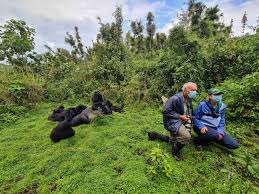
You hear them before you see them. A low rumble. Crashing vegetation. Then — there they are. Your one hour starts from the moment you make contact with the gorilla family. You must stay at least 7 metres away, though the gorillas didn't read that rule and sometimes approach closer themselves.
After the Trek
You hike back out, usually faster on the return. You receive a trekking certificate at the park office. You will be quiet on the drive back. That is normal. Let it settle.
IMPORTANT RULES. NON-NEGOTIABLE
- Keep a minimum distance of 7 metres from the gorillas at all times
- No flash photography
- No loud noises or sudden movements
- If you feel sick or have flu symptoms, inform rangers immediately, gorillas share ~98% of human DNA and are highly vulnerable to human respiratory illness
- Eating and drinking near the gorillas is not allowed
- Always follow ranger instructions without question
These rules exist because these animals are critically endangered. 900 of them remain. Every visitor plays a role in their survival.
WEATHER, WHAT IT ACTUALLY FEELS LIKE
The Virunga volcanic mountains sit at altitudes between 2,300 and 4,500 metres. Temperatures are surprisingly cool even cold at higher elevations regardless of what you might expect from Central Africa.
RWANDA (Volcanoes National Park): Temperatures at trekking altitude typically range from 10°C to 20°C during the day. Early mornings at the park entrance can feel genuinely cold. The sky can be bright and clear one hour and heavy with mist the next. A waterproof jacket is not optional — it is essential, even in the dry season.
UGANDA (Bwindi): Bwindi sits at slightly lower elevations than Volcanoes and can feel a little warmer, but the dense jungle canopy keeps things cool and humid. The forest is almost always damp underfoot, even when it has not rained. Rain is possible any month of the year.
Both parks will make you work for the experience. You will sweat climbing, feel cold at rest, and likely get at least a little wet. Dress in layers, wear moisture-wicking fabrics, and accept that this is not a game drive. That is the point.
WHAT TO PACK
You do not need expensive specialist gear. But you do need the right basics. Pack light — you will be carrying this yourself for several hours.
ESSENTIAL ITEMS:
1. Waterproof Hiking Boots
The single most important item. Ankle support is essential. Break them in before you go.
2. Waterproof Jacket
Lightweight and packable. Rain can arrive at any time on the mountain.
3. Long-Sleeved Shirt and Long Trousers
Protects against nettles, insects, and the cold. Light, neutral colours preferred.
4. Garden Gloves
Cheap and invaluable. Protect your hands when gripping vegetation and thorn-covered branches.
5. Small Waterproof Daypack
Carry water, snacks, your camera, and rain layer. Keep it light — maximum 5 to 7 kg.
6. Camera (No Flash)
Flash photography is strictly prohibited near gorillas. Bring extra batteries — cold drains them fast.
7. Insect Repellent
Especially important in Uganda's Bwindi. Apply before entering the forest.
8. Water and Energy Snacks
Bring at least 1.5 litres of water. Energy bars, nuts, or fruit for the trail.
9. Gaiters (Optional but Recommended)
Keeps mud and debris out of your boots on wet trails.
10. Walking Stick / Trekking Pole
Rangers will often provide one at the trailhead, or bring your own. Very helpful on steep descents.
PORTER TIP: In Rwanda, porters are available at the trailhead for around $20. They carry your bag, support you on steep sections, and directly support the local community economy. We strongly recommend hiring one.
HOW MUCH IT COSTS AND HOW TO BOOK?
PERMIT COSTS 2026
Rwanda (Volcanoes National Park):
- International tourists (peak season, June–October): $1,500 per person
- International tourists (low season, November–May): $1,050 per person
- East African Community citizens: $200 per person
- Other African citizens and residents: $500 per person
Uganda (Bwindi Impenetrable Forest):
- International tourists (peak season): $800 per person
- International tourists (low season — April, May, November): $600 per person
- Gorilla Habituation Experience (full day, 4 hrs, max 4 people): $1,800 per person
IMPORTANT: The permit covers park entry, your ranger guide, and conservation fees only. It does not include accommodation, transport, meals, a porter, or tips. Budget for these separately.
HOW FAR IN ADVANCE SHOULD YOU BOOK?
For peak season (June–September and December–February): book 6 to 12 months in advance. Permits at Volcanoes NP sell out completely for the best dates.
For low season: 3 to 6 months is generally sufficient, but earlier is always better.
As of March 2026, Uganda Wildlife Authority no longer offers a 7-day reservation window. All permits must now be paid in full at the time of booking.
SHOULD YOU BOOK WITH A TOUR OPERATOR?
Technically, you can book Rwanda permits yourself through the Rwanda Development Board's Irembo platform, and Uganda permits through Uganda Wildlife Authority directly. But here is why most experienced travelers use a local tour operator:
1. Family placement matters. There are 12 habituated families in Rwanda across different trails and altitudes. Some are significantly easier to reach than others. A good operator matches your fitness level to the right family; this makes a real difference to your experience.
2. Bwindi's four sectors can be confusing. Booking a gorilla family in the wrong sector relative to your accommodation can mean an extra two-hour rough road drive on the morning of your trek. Operators know this and plan accordingly.
3. Combined itinerary value. If you want to combine gorilla trekking with cycling, cultural visits, or other wildlife experiences; which is what Blue Art Tours specialises in; a local operator makes the entire trip seamless.
4. On-the-ground support. If your permit date changes, if weather causes disruptions, if you need a different lodge, a local operator picks up the phone. An international booking platform does not.
GETTING THERE ; THE DRIVES
RWANDA: Very Accessible
Volcanoes National Park is approximately 100 kilometres from Kigali International Airport, about a 2 to 2.5 hour drive on well-paved roads through Rwanda's famous rolling hills. The scenery on that drive is genuinely beautiful: tea plantations, terraced hillsides, and glimpses of the volcanoes ahead. You arrive in Musanze (also known as Ruhengeri), the gateway town, the evening before your trek.
This accessibility makes Rwanda one of the most practical gorilla destinations on Earth. You can fly into Kigali, drive to Volcanoes, trek the next morning, and be back in Kigali that evening though we strongly recommend taking more time to explore.
UGANDA: A Journey Worth Taking
The drive from Entebbe or Kampala to Bwindi takes 7 to 9 hours on roads that transition from smooth tarmac to rough highland tracks as you approach the forest. Many travelers choose to fly on a small domestic aircraft from Entebbe to an airstrip near Bwindi (roughly 1 hour flight), which saves significant time and discomfort.
The remoteness of Bwindi is also part of its appeal. By the time you arrive, you feel genuinely far from ordinary life. That isolation adds something to the gorilla encounter that is hard to describe but deeply felt.
FREQUENTLY ASKED QUESTIONS
Q: Is gorilla trekking physically demanding?
A: Yes, honestly. You should have a moderate level of fitness. Treks involve hiking through dense forest on steep, uneven, often muddy terrain. The altitude adds to the effort. That said, the pace is set by your ranger and is deliberately manageable, with frequent stops. Travelers of all ages and fitness levels complete treks every day. Rwanda's Volcanoes NP generally involves shorter and less strenuous hikes than Bwindi. If you have mobility concerns, speak to your operator in advance — they can help assign you to an easier family group.
Q: What is the minimum age for gorilla trekking?
A: 15 years old. This is strictly enforced by both Rwanda and Uganda and is a mutual agreement between all gorilla trekking countries. There is no upper age limit, though older travelers should honestly assess their fitness given the physical demands.
Q: Are the gorillas guaranteed? What if we don't find them?
A: The gorillas are habituated meaning they are accustomed to human presence and are located by park trackers every morning before groups set off. Finding them is extremely reliable, with a success rate above 95%. In the very rare event that a family cannot be located, Rwanda's Rwanda Development Board has policies in place speak to your operator about the specific terms.
Q: Can I go if I feel sick on the day?
A: No, and this is serious. Gorillas share approximately 98% of their DNA with humans and are highly vulnerable to human diseases, particularly respiratory infections. If you have flu symptoms, a cough, or a cold on the day of your trek, you must inform the park authorities. You may be turned away. This is not negotiable it is the right thing for the animals. Travel insurance that covers permit cancellation is strongly recommended.
Q: What should I tip guides and rangers?
A: Tips are not mandatory but are deeply appreciated and form an important part of conservation workers' income. A generally accepted range is $10 to $30 per person for your ranger guide, and $5 to $15 for trackers. If you hire a porter, $20 for the service plus a $5 to $10 tip is standard.
Q: Can I combine gorilla trekking with other activities?
A: Absolutely and we encourage it. In Rwanda, excellent additions include cycling through the countryside with Blue Art Tours, golden monkey trekking, hiking Mount Bisoke or Mount Karisimbi, visiting the Dian Fossey research station, and relaxing at Lake Kivu. In Uganda, combine with chimpanzee tracking in Kibale Forest ($300 permit), Queen Elizabeth National Park game drives, or white-water rafting on the Nile at Jinja. A well-planned 7 to 10 day itinerary can give you gorillas, chimpanzees, landscapes, cycling, and culture all in one trip.
Q: Is it worth the price?
A: Every person who has done it says yes. Not because of what it costs, but because of what it is. One hour with a mountain gorilla family watching a silverback rest, a mother nurse her infant, juveniles play-fight in the undergrowth is simply unlike anything else travel can offer. The price also directly funds conservation. A significant portion of every permit goes toward protecting the gorillas and their habitat, and 10% is invested directly into surrounding local communities. When you buy that permit, you are part of the reason these animals still exist.
PLAN YOUR GORILLA TREK WITH BLUE ART TOURS
Website: www.blueartours.com
Email: info@blueartours.com
Phone: +250 781 928 210
Social Media: @blue_art_tours
Location: Kigali, Rwanda
Contact us today to start planning your gorilla trekking adventure.
----------------------------------------------------------------
© 2026 Blue Art Tours. All permit prices reflect 2026 rates and
are subject to change by the Rwanda Development Board and
Uganda Wildlife Authority.
© 2026 Blue Art Tours. All rights reserved
Blue Art Tours
